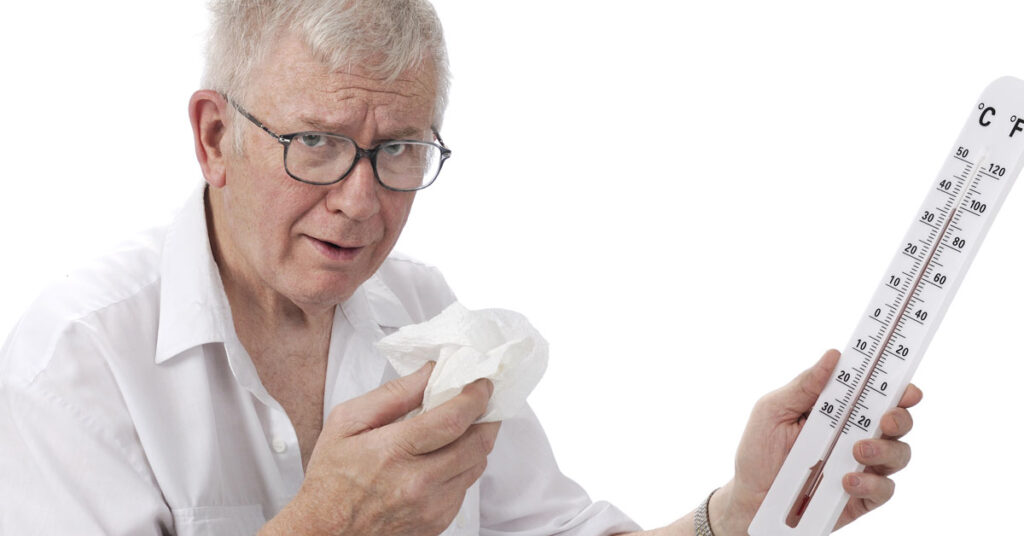
Extreme heat is the leading weather-related cause of death in the United States, surpassing hazards such as floods, hurricanes, and lightning. Older adults are particularly vulnerable, and those living alone face even greater risk. Summer sunshine can feel wonderful after a long winter, but extreme heat can quickly become dangerous, especially for older adults, young children, and people living with chronic health conditions.
As we age, the body becomes less efficient at adjusting to sudden temperature changes. Older adults may not notice rising body temperature as quickly, which can allow overheating to occur before they realize something is wrong. Chronic health conditions and common medications, such as those used to treat heart disease or high blood pressure, can also interfere with the body’s ability to regulate temperature and stay hydrated.
Because of these factors, it’s especially important for seniors to take precautions during hot weather.
Stay hydrated
Drink plenty of fluids throughout the day, even if you don’t feel thirsty. Water and juice are good choices. Try to avoid alcohol and caffeinated beverages, which can contribute to dehydration.
Keep cool indoors
Spend as much time as possible in air-conditioned spaces. If your home doesn’t have air conditioning, consider visiting public places such as libraries, shopping centers, or museums where you can stay cool for a while. Taking a cool shower or bath can also help lower body temperature. At night, open windows for fresh air and close curtains or blinds during the day to keep sunlight out.
Plan outdoor activities wisely
Try to avoid going outside during the hottest part of the day. Schedule errands, exercise, and yard work for early morning or evening hours when temperatures are lower.
Dress for hot weather
Choose lightweight, loose-fitting clothing in light colors. A wide-brimmed hat can also help protect you from direct sun exposure.
During summer forecasts, you may hear meteorologists mention the heat index. This measurement combines air temperature with humidity to show how hot the weather actually feels to the human body. High humidity makes it harder for sweat to evaporate, which limits the body’s natural cooling process.
Older adults who live alone may be especially vulnerable during heat waves. A simple check-in can make a big difference. If you have an elderly neighbor or relative, try to check on them at least once or twice a day during extremely hot weather.
With a little planning and a few common-sense precautions, it’s possible to stay comfortable and safe even during the hottest days of summer. Staying hydrated, keeping cool, and watching out for neighbors can help everyone enjoy the season safely.
{{head}}