Home Health Opt-Out
https://homehealth-optout.nwsltr.infoPreventing and Reversing Osteoporosis
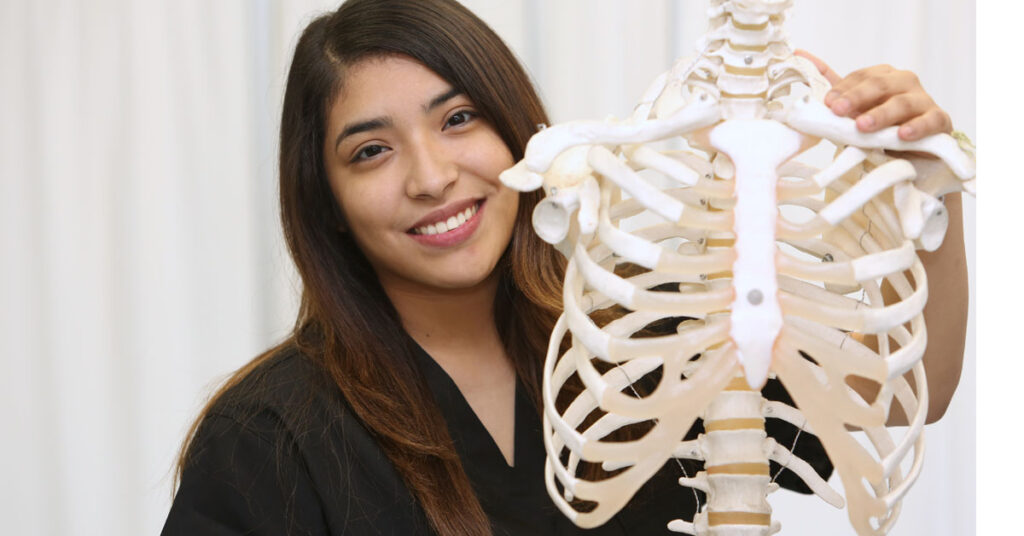
Osteoporosis, often referred to as “porous bone,” is a condition in which bone density decreases and bone tissue weakens over time. This loss of strength makes bones more fragile and increases the risk of fractures, particularly in the wrist, hip, and spine.
The encouraging news is that lifestyle choices, especially proper nutrition and regular exercise, can play a powerful role not only in preventing osteoporosis but also in slowing or improving bone loss that has already begun. In fact, building strong bones is a lifelong process that ideally starts in childhood and continues through every stage of life.
As people reach later years, many become less active due to fear of injury or concern about worsening existing health conditions. Ironically, avoiding activity often increases those risks. When done correctly, regular exercise helps strengthen bones, improve balance, and reduce the likelihood of falls and fractures.
If you or a loved one could benefit from guidance, a safe and personalized activity plan can make a meaningful difference in maintaining bone health and overall mobility.
Who Is at Risk?
Osteoporosis can affect individuals of any age, gender, or background, but certain factors may increase risk, including:
- Being female
- Caucasian or white ethnicity
- Post-menopausal status
- Advancing age
- Smaller body frame
- Low calcium intake
- Physical inactivity
Many of these factors are related to reduced bone density or hormonal changes that accelerate bone loss.
The Role of Weight-Bearing Exercise
Regular physical activity is one of the most effective ways to support bone health. Along with adequate calcium and vitamin D intake, weight-bearing exercise helps build and maintain bone density.
Weight-bearing activities are those that make your body work against gravity, stimulating bones to grow stronger.
Examples include:
- Walking, jogging, or running
- Pickle ball or racquet sports
- Climbing stairs
- Basketball
- Dancing
- Hiking
- Soccer
- Strength training or weightlifting
These activities place healthy stress on bones, encouraging the body to maintain or increase bone strength over time.
How Much Exercise Is Recommended?
General activity guidelines for bone and overall health include:
- Adults: At least 30 minutes of moderate physical activity on most, preferably all, days of the week
- Children: At least 60 minutes of moderate physical activity on most days
Consistent movement, combined with proper technique and progression, is key to long-term bone health.
Take the Next Step
Protecting your bones doesn’t require extreme measures, just consistent, intentional habits. With the right combination of movement, nutrition, and guidance, it’s possible to maintain strong, healthy bones at any age.
If you’re unsure where to start, a customized plan can help you move safely, build strength, and stay active with confidence.