Home Health Opt-Out
https://homehealth-optout.nwsltr.infoWhy Strength Training Matters More as We Age
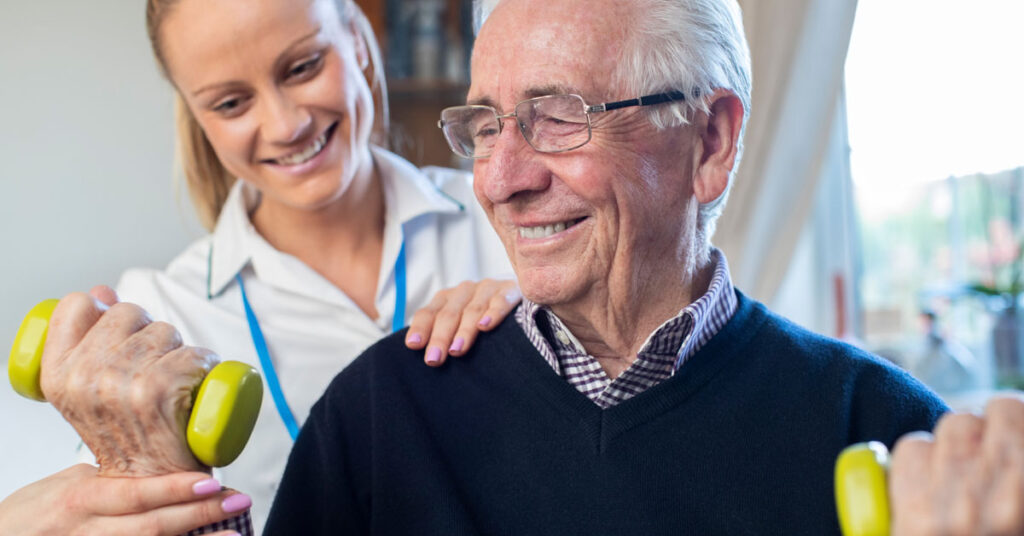
As we get older, we might spend less time thinking about building muscle, but that’s exactly when it becomes more important. Age naturally brings a decline in muscle strength and size, which can slowly erode our ability to stay active and independent. The old adage “use it or lose it” definitely applies here.
Strength, or resistance, training is one of the best ways to mitigate these effects.
What is resistance training
Resistance training includes exercises that work your muscles against some form of resistance: this could be light weights (like dumbbells), resistance bands, machines, or even body-weight movements. The goal is to challenge your muscles enough to make them work harder than usual. When done regularly and properly, these exercises help older adults maintain and even improve muscle mass, strength, and overall physical functioning.
Health benefits of strength training for older adults
Strength training delivers far more than simply stronger muscles. Its benefits, many backed by decades of research, include:
- Maintaining and building muscle mass and strength — This helps counteract the age-related shrinkage of muscle that can otherwise lead to frailty, difficulty with everyday tasks, or even falls.
- Bone health and reduced fracture risk — The load on bones during resistance exercises encourages bone remodeling, helping preserve or even improve bone density. That protects against brittle bones or fractures.
- Better mobility, balance, and physical function — Stronger muscles support better posture, easier walking or climbing stairs, improved balance — all things that matter for daily life and reducing falls risk.
- Support for chronic conditions / overall health — Strength training can help reduce or manage symptoms of arthritis, back pain, obesity, diabetes, heart disease, and more. It may also improve metabolism, support healthy weight, and help control blood sugar.
- Positive effects on brain and mental health — There’s growing evidence that resistance training helps preserve cognitive function, supports brain health, and enhances psychological well-being. In short: resistance training supports older adults in staying strong, agile, healthy, and independent.
It’s never too late, and it’s more accessible than you might think
You don’t need to be a competitive athlete or lift heavy weights to benefit. A well-designed program for older adults often involves moderate resistance (e.g., light weights or bands), done 2 - 3 times per week.
Even if you’ve never lifted before, or haven’t in decades, starting today can still yield gains in strength, balance, and overall health. Resistance training programs can also be adapted for people with existing health issues, limited mobility, or other concerns.
The bigger picture: independence and quality of life
At any age, with regular resistance training, a few sessions a week, many of the common physical declines of aging can be slowed or even reversed. That means a better chance of staying active, independent, and enjoying daily life instead of becoming limited.